Table Of Content
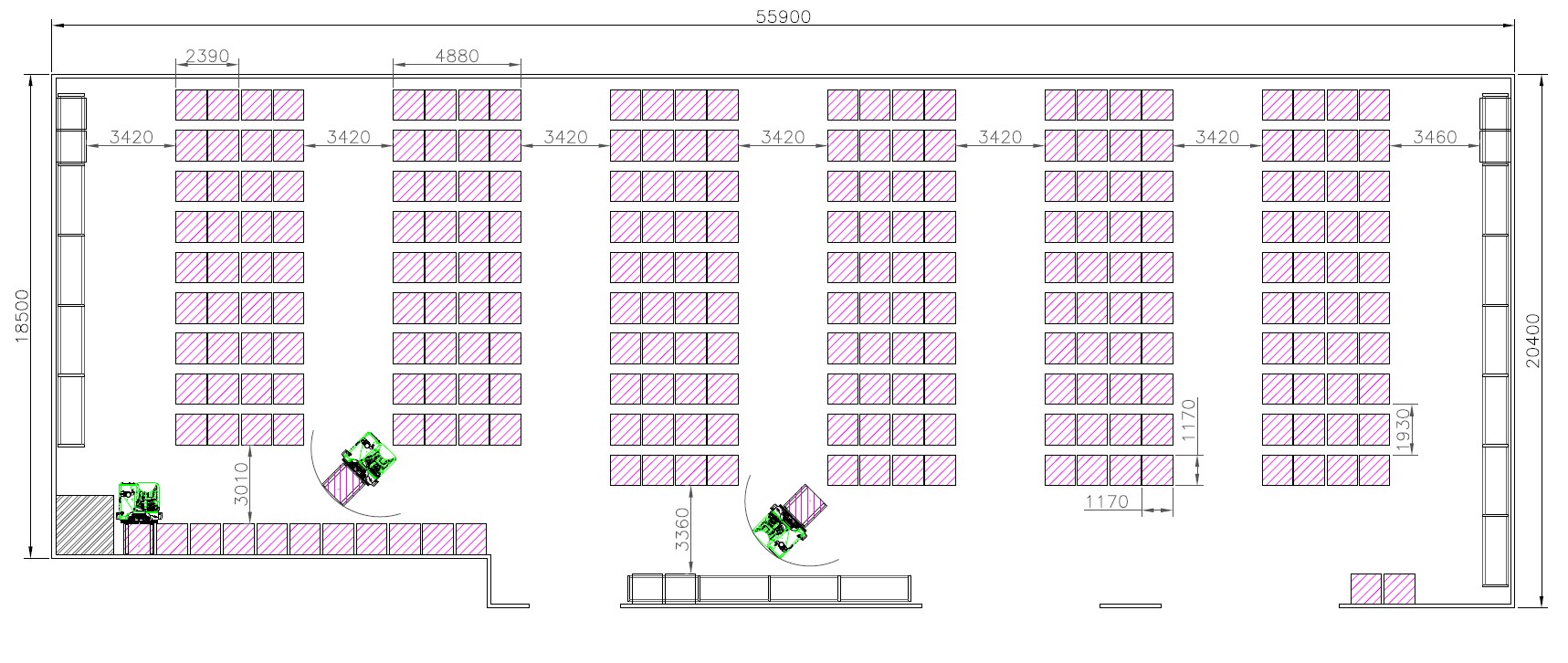
Keep your products and customer experience at the top of mind as you search for and design your warehouse. Just like furnishing a new home, renting a warehouse takes time and planning to make the most of the space to meet your logistics operations needs. It aids in helping you plan a fluid inventory and material handling system to accommodate even the enormous volume of goods you’ll be transferring through your warehouse.
How to Start a Retail Business in 13 Steps
Analyze key performance indicators (KPIs), operational data, and market trends to proactively identify areas where the layout can be optimized for enhanced efficiency and adaptability. Integrate modular workstations and processing areas that can be easily reconfigured to accommodate changes in workflow. This modular approach allows for swift adjustments in response to process optimizations, technology integrations, or shifts in order fulfillment strategies. Identifying and mitigating bottlenecks is at the core of Workflow Efficiency Design.
Outline Warehouse’s Workflow

Your warehouse equipment should be included in the design before the building is constructed. Whether your warehouse equipment is mobile or stationary, make sure the layout doesn’t leave room for surprises. A second approach is restructuring your shelving units to accommodate the back-and-forth movement of pickers and packers. Ensuring your staff can move safely but quickly to different areas of the warehouse is a boon for efficiency. If you’re not ready to adopt a warehouse management system or start using a warehouse inventory management software, Microsoft Excel is a great place to start. The much-loved software provides features with which you can customize your reports and add visual elements like graphs.
Utilize labor and budgets effectively
This can help you design your layout in an efficient manner, which in turn lets you utilize your warehouse space better, boost productivity, and improve order fulfillment rates. Throughput in a warehouse refers to the number of products that are processed and moved through various warehouse processes such as receiving, putaway, storage, picking, packing, and shipping. By collecting and analyzing this data, you can design a layout to ensure an efficient flow of goods and accommodate the necessary equipment for your warehouse. Make sure your chosen warehouse plan supports your business’s unique goals before using this.
New design for Bridge Point 78 building scales back warehouse area and ups office space - lehighvalleylive.com
New design for Bridge Point 78 building scales back warehouse area and ups office space.
Posted: Fri, 25 Mar 2022 07:00:00 GMT [source]
This can be accomplished by increasing the racking height, adding a mezzanine over a floor-level process, switching your storage medium, and narrowing aisles in the racking space. Optimizing your warehouse architecture increases the amount of space stored in your building. In addition, it enables you to examine your warehouse area and find empty spaces where you may add storage. Implement inventory management software that offers a real-time snapshot of current inventory levels to guarantee adequate stock to satisfy demand and refill inventory as necessary.
A logical sequence while planning the layout can create avoid confusion and miscommunication. In conclusion, Workflow Efficiency Design represents a pivotal step in the comprehensive process of warehouse layout planning. By mapping out the entire operational flow, strategically sequencing tasks, and embracing technological advancements, warehouses can achieve heightened efficiency. This step is not only about current optimization but also about laying the groundwork for future trends such as robotics, automation, and AI-driven predictive analytics.
How to Design aWarehouse Layout Plan: Tips & Examples From Real Companies
But slotting in all your equipment, workstations, and aisles into your layout — and doing so accurately — is no small feat. Fortunately, you can use a digital twin to reference dimensions and proximity of things like fixtures or doorways in your actual facility 24/7. Every warehouse will need to follow a number of required safety regulations, and some of these requirements will affect your layout. You’ll likely need cold storage capacity for perishable ingredients like tomatoes and bell peppers. You’ll need a separate area to store dry goods and other necessary items, like spices, jars, and labels. The volume and kind of goods that flow through your warehouse will also narrow down the most effective layout for your facility.
fala atelier transforms former warehouse into 'the house of many faces' in portugal - Designboom
fala atelier transforms former warehouse into 'the house of many faces' in portugal.
Posted: Mon, 05 Feb 2024 08:00:00 GMT [source]
Consider Operational Efficiency
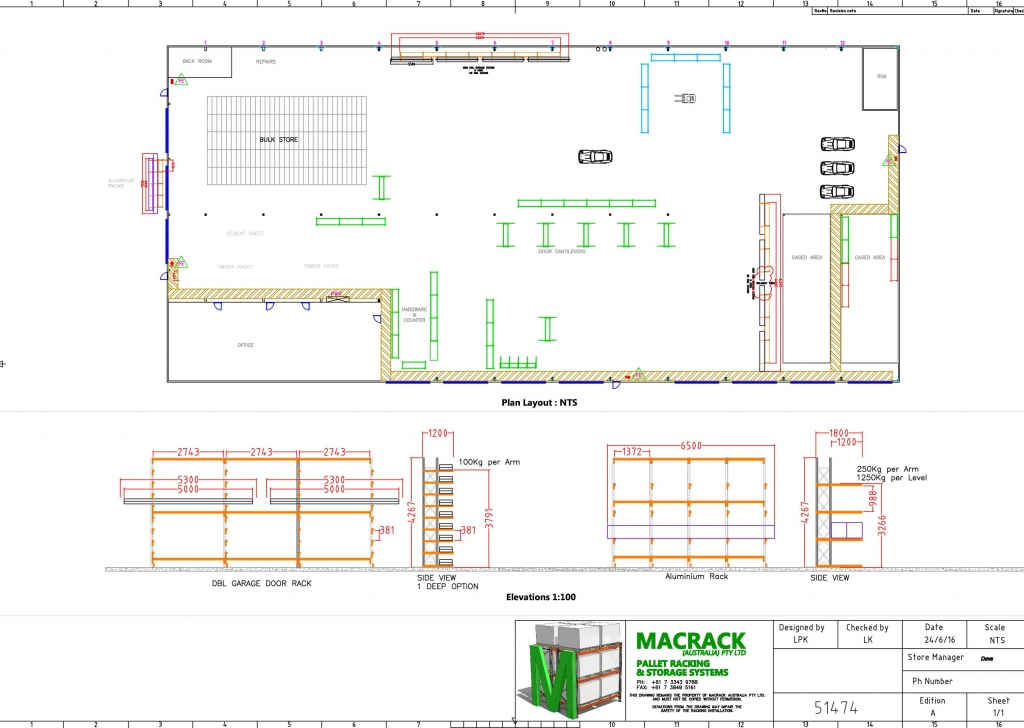
The process of selecting individual items from a fulfilment centre to fill customer orders is known as warehouse picking. It’s regarded as one of the most costly and labour-intensive processes for warehouses but is a crucial part of order fulfilment. The I form has the drawback of requiring businesses to have adequate loading and unloading areas on two sides of the warehouse structure. The cost of docking equipment for the inbound and outbound regions may grow, and items frequently have to travel the entire warehouse to get where they’re going. Start with one of hundreds of design templates from basic building outlines to finished warehouse plans. Use the tips provided above combined with the ease of EdrawMax to create a seamless warehouse layout with ease and convenience to increase an efficacy warehouse layout template.
Easy Warehouse Layouts & Designs with Templates
The I-shaped warehouse flow is favored by large corporations with bigger warehouses. This is because larger companies typically experience higher production volume and the I shape is valuable for its clear in and out workflow. One of the easiest ways to reduce motion waste in your picking workflow is to create easy-to-understand information labels and photos of products that you affix to containers. By taking into account the specifics of your products and operations, you can create a suitable layout that maximizes efficiency and meets the requirements of your business.
Emergency exits should be strategically placed throughout the warehouse, considering the layout and the flow of personnel. These exits should be easily identifiable and accessible from various points within the facility. In areas where flexibility is paramount, such as zones prone to layout changes, flexible barrier systems come into play. These systems can absorb impacts and automatically revert to their original position, offering ongoing protection without the need for frequent replacements.
And the right storage systems help you keep your inventory better organized — which curbs lost and stolen products. For example, a more strategic warehouse design can claw back the total square footage you need for inventory, which lowers leasing costs. When your facility is optimized, you can also fit more pieces of equipment or inventory in the same amount of space. Furthermore, planning the space to speedily handle vehicle traffic in loading docks reduces the waiting and waste of vehicles backing up. Warehouse slotting is a common practice in ecommerce, which involves organizing a warehouse to maximize space and make picking more efficient.
An optimized warehouse layout design can also help improve customer service by reducing the time it takes to fulfill orders. Much like a great warehouse layout creates a better flow of traffic across your warehouse floor, integrating your tech stack reduces bottlenecks in your digital workflow. Integrate OptimoRoute with your WMS (warehouse management system) or other tech using our Web Service API Integration. Embrace technologies like Augmented Reality (AR) for order picking, experiment with 3D printing for customized storage solutions, and consider the impact of drones in last-mile delivery. Traversing expansive warehouse areas quickly, they capture real-time data and provide a comprehensive overview of inventory levels, equipment status, and potential bottlenecks.


No comments:
Post a Comment