Table Of Content
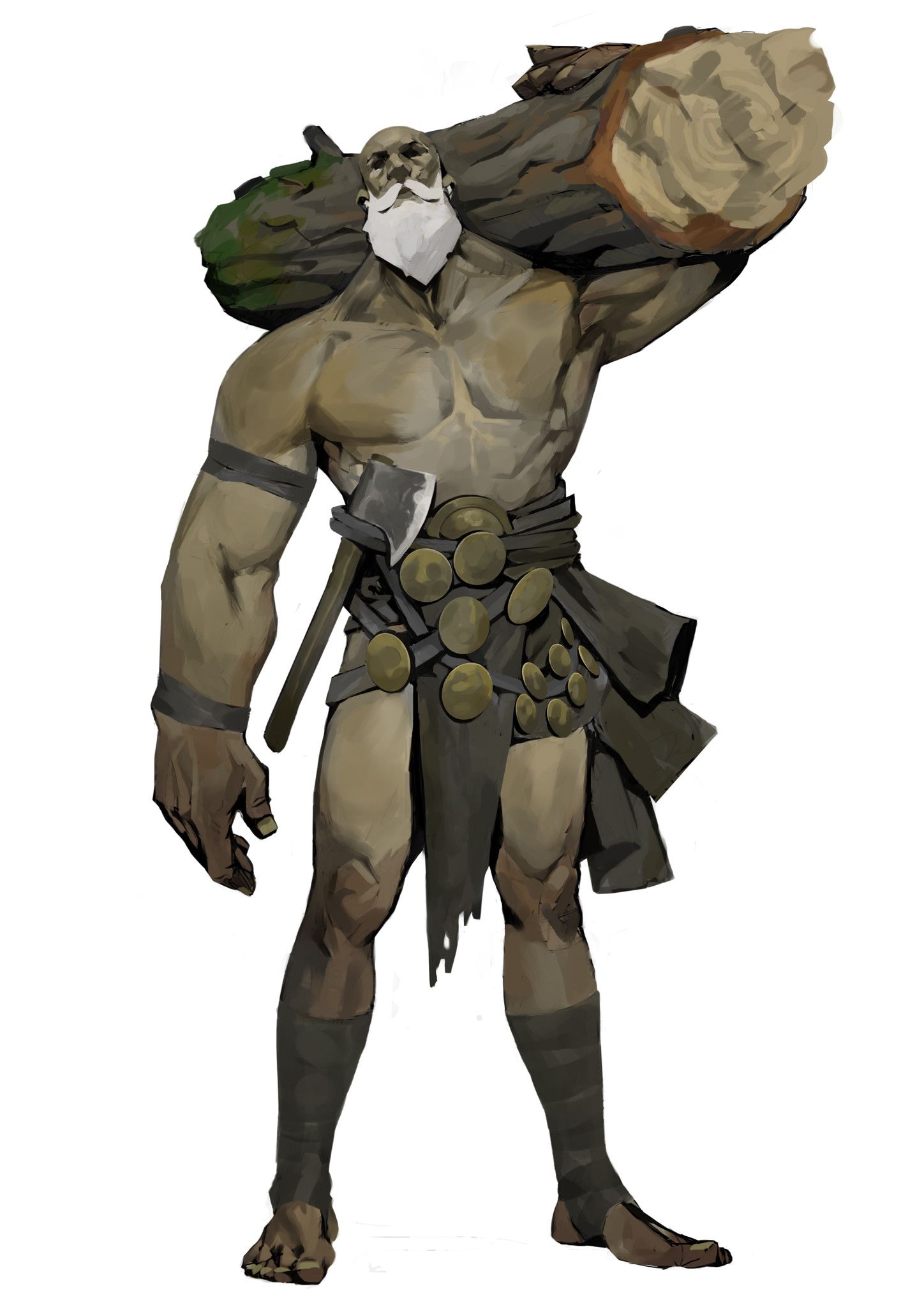
Finally, be sure to turn down the opacity on your sketch so that you can draw over it. Cross The Lime summarizes, “It is even more important that you keep a clear silhouette in mind when designing. Have ears, head shape, position of arms clearly defined, so that you can recognize the character even when it is just the silhouette.” If you have not done so, it’s a good idea to brush up on shape language. This, (in addition to color later on) is a primary visual way to communicate traits and emotions such as stability, danger, or innocence. The tools you use largely come down to your intended style, personal preference and the client’s file type requirements.
Human Character Design Challenges - 80.lv
Human Character Design Challenges.
Posted: Fri, 16 Jun 2017 07:00:00 GMT [source]
Iconic Character Designs and the Concept Art Behind Them
But while the client’s preference determines the format of your final design deliverable, you can use any tool you like before you get to that point. For example, many of the character artists we interviewed prefer doing preliminary sketches on paper. You can find reference material from virtually any source—Pinterest, Google images, ArtStation, Dribbble, even your own camera roll.
final tips on character design
An artist’s solid fundamental skills are essential when it comes to drawing high-quality anime art. The artist must possess a strong understanding of basic anatomy to draw believable characters, and have a good sense of perspective. This is a great tutorial for artists that already have a basic knowledge of Blender.
COMMISSION, CONVENTION, & SHOP RESOURCES
Combine your creativity with the power of daily practice and the ardent pursuit of live and gesture drawing, as these exercises forge a profound connection between your hand, eye, and imagination. These variations can be much simpler than the main action pose since that design should be the focus. Some artists like to show a few of the sketches and thumbnails so that the client can appreciate the development of the concept. Doing so not only gives the client options, it creates the sense that this character is alive rather than a doll pinned down to a static pose. For colors, you should aim to choose those that contribute to the character’s overall mood and story but that are also realistic.
Character Art Test
A firm grasp on color theory and color psychology as well as learning from the colors in your reference images all can help you identify the ideal color palette. In this three-part series presented by character artist Jared Chavez, you’ll discover what it takes to pass a AAA-level character art test. As he guides you through the processes of reference, production, and presentation, he also provides advice and explains the qualities he seeks in applicant submissions. Galleries, tutorials, interviews, reviews and animated shorts for your daily dose of inspiration!

I want to share my thought process behind creating Wattle since I had a lot of fun with it. Kellie shares an in-depth breakdown for her 3D animated character that’s based on 2D character art by Alexis Pflaum. This post is a great resource for anyone looking to learn more about character creation workflows.
Character Design References (CDR) is an online platform that celebrates and showcases exceptional character-focused art within the realms of animation, illustration, games, and comics. It stands as a vibrant hub for the largest community of character designers on the Internet, uniting over 1 million artists, art enthusiasts, and animation fans from across the globe. Remember that you need to log in on Pinterest to see the material collected in the visual library. Click on any subject in this list to be redirected to a specific reference board filled with useful resources. Concept art is a developmental stage of storytelling, where artists visualize what a certain aspect of a story will look like.
While the steps we’ve laid out here can help give you a starting framework to develop your character designs, it takes time and practice to hone your skill as a character artist. In a lot of ways, you have already successfully designed a character by this point. Design is less about illustrative flair and more about choices, creating the concept, and the bulk of that hard work is behind you. Now is where you start the render process, which is a fine art way of saying going from sketch to finished artwork.
The goal is to capture the personality, background, and desires of a character, simply through how they appear and how they move. More importantly, your design will depend on the experiences of your intended audience. At this stage, you should not get bogged down in frivolous details like if “her favorite ice cream is rocky road! Choose to export subdivided characters for high-quality rendering or decimate meshes to optimize for mobile apps and crowd simulation. CC 4.1 gives the most flexibility to upscale and downscale characters using CC bases or auto-rigged from static meshes.
Discover the most gifted and influential artists working in animation, comics and illustration, today. Learn how to create memorable characters that tell a story in Even Amundsen's concept art course for character design and worldbuilding. Finally, Félicie Haymoz has become Wes Anderson’s go-to character designer, and created the human characters for the film Isle of Dogs as well as the entire cast of Fantastic Mr. Fox. This involved matching human actors to the creature that worked with their voice and mannerisms. Riot Games is known for going all-out on promotions and side projects for its popular game League of Legends, and one notable example is the virtual band K/DA. The below pre-production designs come from story development artist Jason Chan, who contributed to designing the costuming for the band members.
In this post, Chen, Lead Artist, and Jing, Senior Artist at Virtuos Chengdu, go through their processes of creating original anime-style characters for a recent ACG Jam contest. In this tutorial, you’ll learn how to create a portfolio piece from scratch. This tutorial focus on the most efficient and fun way to create a character in 2020 for portfolio purpose. Fast concept and modeling in Zbrush, fun texture creation in Painter and easy rendering solution in real-time. Practice techniques to create a lively original character from scratch with Sammy Khalid's character concept art course for beginners.
Here we explore ten notable character designs from recent media and media history, and the artists who played a pivotal role in bringing them to life. These character concept examples from horror series to beloved children’s animations can act as references to inspire your own ideas, but before we dive in, let’s consider what concept art for character design is. When you read a book, you can draw scenes in your head, creating a world and characters based on descriptions and images. This process is similar to concept art character design in which artists develop holistic character concepts based on descriptions or their own ideas. At CDR, we curate and share exquisite artworks on a daily basis, providing a constant source of inspiration and creative fuel for our passionate community.
Sir John Tenniel originally illustrated Lewis Carroll’s Alice’s Adventures in Wonderland in 1865, but in the mid-1900s Disney revisited the story, trying to find a style that could reinvent it as an animated film. Let us know if you're a freelance designer (or not) so we can share the most relevant content for you. These presentations often include a variety of secondary poses (including neutral ones), outfits, facial expressions, and close ups and side profiles of the face. Motion Director is handy for navigating your characters in 3D space, and great for making ambient NPC animations. The newly-added React to Surface lets characters move smoothly on a mesh surface.

That, of course, is not to say that you should pay less attention to the render. In order for your character concept to land, it has to be truly presentable. In addition, you may notice details that you need to change the more realistic your design becomes.
The tutorial covers colour, lighting, brushwork, edges, value, and the use of photography. Are you looking for the art of a specific illustrator, mangaka, or animator? Discover hundreds of portfolios and illustrations from your favourite artists. One option instead is to suggest a distant, out-of-focus background with roughly painted shapes behind the character. But most artists opt for a fairly simple background, often in a neutral greyish tone with a subtle color gradient or texture.
Specifically, a character concept means developing the exact look and feel of a character. The artist or team might start with a specific outline from a writer, for example, or they might follow a more general brief. Everything from body shape to significant motifs to colors must be considered.